Maximizing Broker Metrics - How High Performance Scores Win More Routes
In the Non-Emergency Medical Transportation (NEMT) industry, your relationship with major brokers—like ModivCare, MTM, and Veyo—dictates the trajectory of your business. Many fleet owners mistakenly believe that once they are approved and credentialed in a broker's network, a steady stream of profitable trips is guaranteed.
The Hidden Drain - How Tiny Invoicing Errors Stagnate NEMT Scale
When Non-Emergency Medical Transportation (NEMT) operators look for the threats to their business growth, they usually focus on the massive risks: losing a major hospital contract, a catastrophic vehicle breakdown, or skyrocketing commercial insurance premiums. However, the reality is that most NEMT fleets do not fail from a single devastating blow. They stagnate from a "death by a thousand cuts."
HIPAA Compliance in NEMT Operations - Are You Protecting Patient Data
In the Non-Emergency Medical Transportation (NEMT) industry, your job isn't just moving people—it’s protecting their most sensitive data.
Behind the Wheels : Why Dispatchers Need to Think Like Fleet Operators
In many Non-Emergency Medical Transportation (NEMT) operations, there is a dangerous misconception that dispatching is merely a clerical task. The thinking goes: Input the address, assign the driver, and wait for the "Trip Completed" status. If that is how your dispatch team operates, you are likely leaving a significant portion of your potential revenue on the table.
How to Recover Every Dollar : A Guide to Auditing Stuck Accounts Receivable
In the Non-Emergency Medical Transportation (NEMT) industry, your revenue cycle does not end when you submit an invoice. If you assume that every billed trip will automatically result in a cleared deposit, you are likely bleeding thousands of dollars a month.
Managing the 5 PM Rush : How 24/7 Customer Support Reduces Fleet Churn
In the Non-Emergency Medical Transportation (NEMT) industry, the morning dispatch might dictate the pace of the day, but the late afternoon determines your profitability. For most fleet operators, the hours between 4:00 PM and 7:00 PM are the most chaotic. This is the notorious "5 PM Rush"—when scheduled appointments run late, "will-call" return trips flood the dispatch board, and rush hour traffic wreaks havoc on your routing.
What is RCM? Why Revenue Cycle Management is the Lifeline of Your NEMT Fleet?
Many Non-Emergency Medical Transportation (NEMT) operators view their business through the lens of logistics: acquiring vehicles, hiring drivers, and completing routes. But while dispatching gets the patient to their appointment, it is your billing infrastructure that actually keeps the lights on.
In-House vs. Outsourced NEMT Back-Office : A Cost-Benefit Analysis
For growing Non-Emergency Medical Transportation (NEMT) fleets, reaching the point where you need 24/7 dispatch and back-office support is a major milestone. It means your trip volume is scaling, your contracts are expanding, and your fleet is outgrowing the "mom-and-pop" operational model.
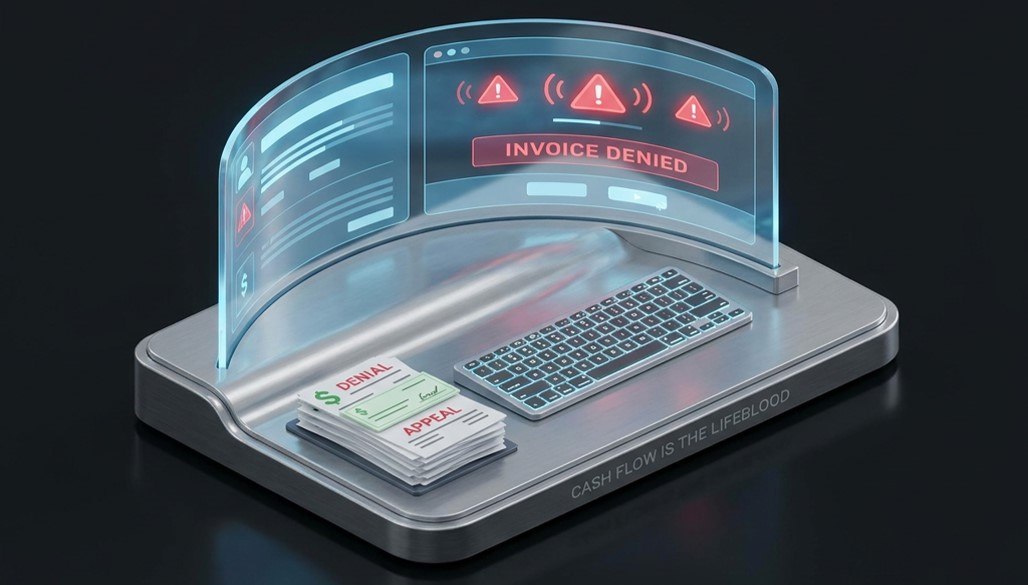
Navigating ModivCare & MTM 5 Common Billing Mistakes That Delay Payouts
Because broker reimbursement systems are heavily automated and highly scrutinized, even the smallest clerical error can trigger an automatic claim denial. When invoices are rejected, your Revenue Cycle Management (RCM) stalls, forcing your team into a frustrating, time-consuming appeals process. If you want to maintain a steady influx of capital to fuel payroll and fleet expansion, you need a flawless billing process.